Journal · 2026-10-05 · Dallas, TX
Massage before training or after: what the timing actually changes
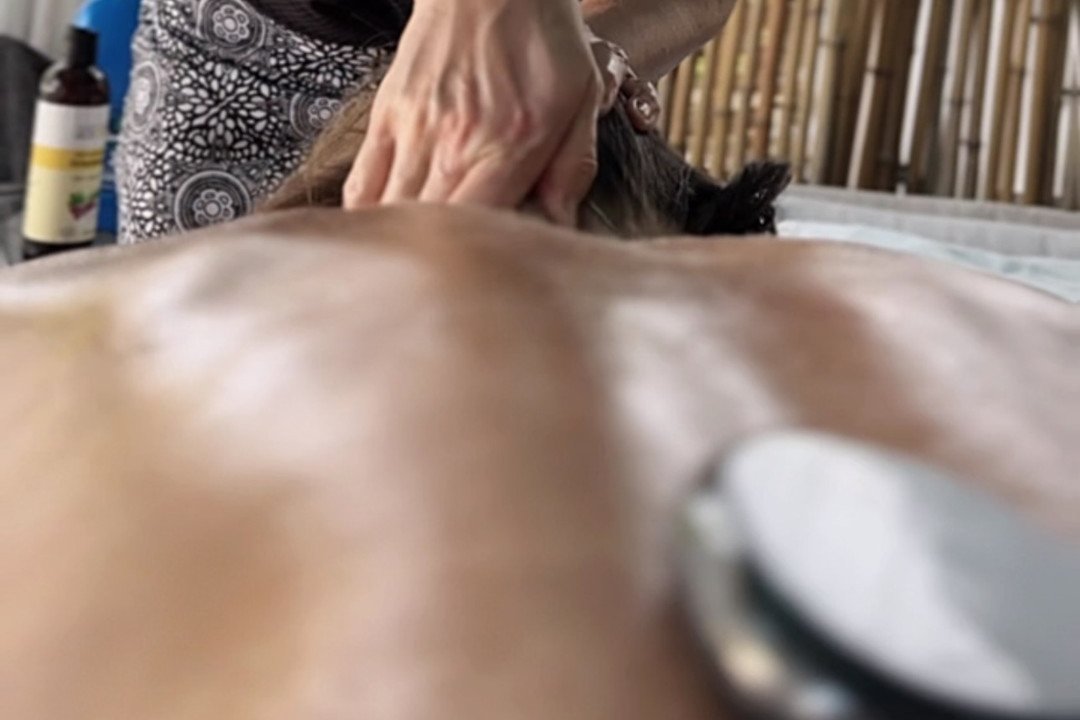
Both are useful. They are not the same session, and booking the wrong one the day before something that matters is a common and avoidable mistake.
What a session before does
Short, brisk, and nothing like what most people picture. Ten to twenty minutes of quick, light work on the muscles you are about to use, often with movement rather than against it. The point is to raise tissue temperature and get you moving freely, not to change anything structural.
What it does not do is loosen you out. Deep, slow, heavy work before an effort leaves muscles slower to produce force for a few hours — fine on a Tuesday, not what you want an hour before a start line or a match.
Timing: the same day is fine if it is kept short and light. A full deep tissue session belongs at least 48 hours earlier.
What a session after does
This is the one most people actually mean. Done a day or two after a hard effort, it works through the areas that took the load and gives back some of the range the effort took away.
It will not prevent soreness. Nothing reliably does. What it changes is how stiff you feel while the soreness passes, and whether a tight spot settles down or quietly becomes the thing that stops you training in three weeks.
Timing: wait until the worst soreness has peaked, usually 24 to 48 hours. Straight after a race, when everything is still inflamed, heavy work is unpleasant and no more useful for it.
The week before something that matters
A rhythm that works: last deep session seven to ten days out, something lighter three or four days out, nothing new in the final 48 hours.
The rule is not really about massage. It is that race week is the wrong week to find out how your body responds to anything it has not had before. If you have never had a sports massage and your event is on Saturday, the honest advice is to book it for the Monday after.
What October looks like in Dallas
Training volume climbs here once the heat breaks and the winter race calendar fills up, and the same short list turns up on the table every autumn: calves and Achilles after the first cooler long runs, hip flexors from a jump in mileage, and shoulders belonging to people who have just gone back to the gym.
None of it is dramatic. All of it is easier to deal with in October than in December.
What to tell the therapist
The useful information is your calendar, not your symptom. What you are training for, when it is, what you did yesterday and what you plan to do tomorrow.
The same pair of legs needs a different session on a build week than on a taper, and nobody can tell which week it is by feel alone.
Read next

Foam rollers, massage guns and wooden tools: what they do and what they do not
Most of them work, within a narrow range, and most people use them for exactly the things they are worst at. An honest guide to what to keep in the cupboard.

Your first massage: the questions people are too embarrassed to ask
What you take off, what happens if you fall asleep, whether you have to talk, and the rest of what nobody explains because everyone assumes you already know.

Golf and the one-sided body: what eighteen holes actually asks of your back
A golf swing is one of the most asymmetrical things a human body does for fun. Where that shows up, and what a session before or after a round should actually do.