Journal · 2026-11-02 · Dallas, TX
New parent body: the wrists, neck and upper back that carry the baby
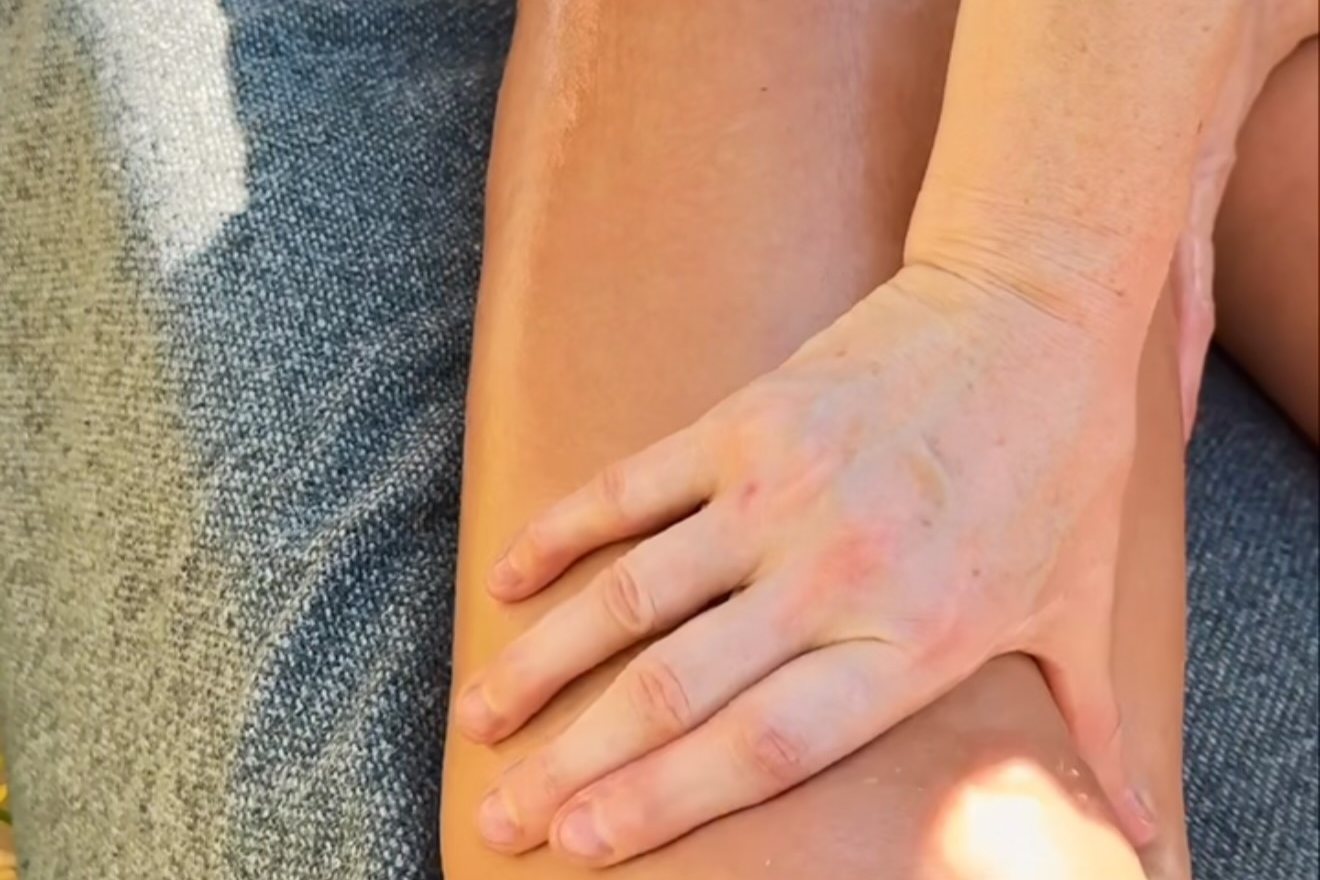
Nobody warns you about this part. The baby is light, but you lift, carry, rock and feed it dozens of times a day, often half asleep, often in awkward positions. A few weeks in, the wrists ache, the neck is stiff, and there is a band of tension across the upper back that never quite goes.
It happens to both parents, and to grandparents who come to help.
Why these three places
The wrists. Lifting a baby under the arms puts the thumbs out wide and the wrists bent back. The tendons along the thumb side of the wrist get irritated, and many new parents feel a sharp pain there when they lift or pour.
The neck. Every feed, every look down at the baby, every time you rock them to sleep, the head is bent forward. Hours a day, for weeks.
The upper back. Carrying on one hip, feeding on one side, the car seat on one arm. One side does most of the work, and the muscles between the shoulder blades are stretched and tired by the end of the day.
For the parent who gave birth, the body is also still recovering, and the deep core that normally supports the spine is not yet fully back.
What we do
The session goes to the forearms and the thumb side of the wrists, the neck and the base of the skull, the shoulders and the upper back. Positioning is flexible: side-lying with pillows, or seated, depending on how you feel.
For the parent who gave birth, the timing depends on the birth and on your doctor’s advice. Tell Elena how the birth went and anything you have been told.
Because the session happens at your home, there is nothing to arrange. The baby can sleep in the next room, and if you are needed, we pause.
What helps between sessions
Lift with the forearms, not the wrists. Scoop the baby with your palms up, rather than lifting under the arms with the thumbs out.
Bring the baby up to you. A pillow under the baby during feeds lets you sit back instead of folding over.
Swap sides on purpose. The hip you carry on, the arm with the car seat.
Wrist pain with swelling or a click, or any pain, numbness or heaviness that is getting worse rather than better, should be checked by a doctor.
Read next

Cold hands and feet in winter: why some people never warm up
Some people spend November to March with cold fingers and toes. Why the body does this, what warmth from a session does, and when cold hands deserve a doctor's look.

A couples massage at home: what it takes, and how the evening actually goes
Two tables, two therapists, one room. How much space you need, how each person gets their own session, and why home works better than a spa for this one.

Feet and balance later in life: why the ground feels less certain
Stiff ankles, numb toes and a little less confidence on uneven ground. How feet change with age, why it matters for balance, and what gentle regular massage does for them.