Journal · 2026-08-11 · Dallas, TX
Why your legs swell after a flight, and what actually moves the fluid
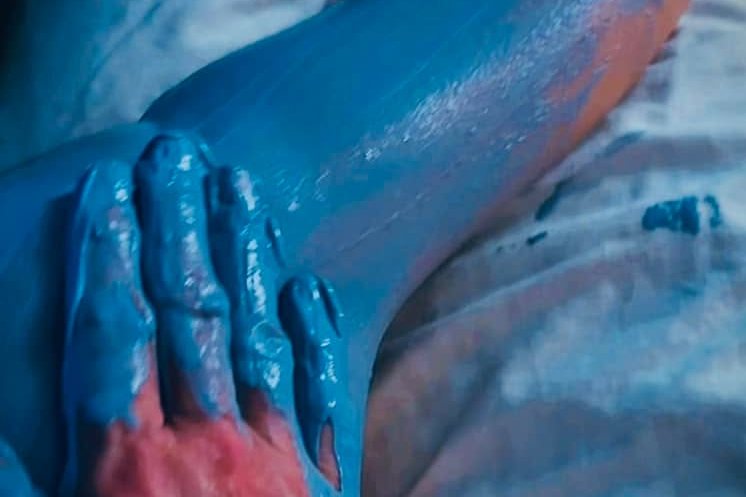
You land, you take your shoes off, and your ankles have disappeared. Rings are tight. The skin on your shins holds a dent for a second when you press it.
This is one of the most common reasons people book a session the day after they arrive — and one of the easiest things to fix quickly, once you understand what is happening.
The fluid did not come from the drink cart
Your lymphatic system has no pump. The heart moves blood; nothing moves lymph except the squeeze of your own muscles and the pressure changes of breathing. Every step you take is a pump stroke.
Sit still for eight hours in a pressurised cabin and you remove the pump entirely. Fluid that normally cycles back up your legs simply stays where gravity left it. Cabin pressure and dry air make it worse, and so does salt, but the core problem is mechanical: nothing was squeezing.
That is also why it happens to people who have not flown at all — a long drive, a day standing behind a counter, a shift on your feet as a cook. One of our clients is a chef; by the end of a service her legs, in her words, feel like cotton wool.
Why walking it off only half works
Walking restarts the pump, and it does help. But by the time you notice the swelling, fluid has already pooled in the tissue, and the small vessels that should collect it are being compressed by the very swelling they are meant to drain. The system is stuck against itself.
Something has to open the collectors before the pump can do its job.
What lymphatic drainage actually feels like
The first surprise is how light it is. Most people expect a massage to be firm and are convinced nothing is happening.
The lymphatic vessels sit just under the skin. Real pressure closes them — push hard and you achieve the opposite of what you came for. So the work is slow, rhythmic, barely more than skin-deep, and it always moves toward the nodes: behind the knee, at the groin, then upward.
It is repetitive on purpose. The rhythm is the treatment.
What to expect afterwards
Most people are noticeably lighter within hours, and almost everyone visits the bathroom more than usual that evening — that is the point.
For a one-off travel swelling, a single session usually settles it. For swelling that returns every week because of your job, a series works far better, along with the boring advice that genuinely helps: get your feet above your hips for ten minutes at the end of the day.
When it is not just travel
Swelling in one leg but not the other, swelling with pain, heat or redness, or swelling that comes with breathlessness is not a massage problem. That combination needs a doctor the same day, not an appointment next week.
Read next
Massage before training or after: what the timing actually changes
Both are useful, but they are not the same session. What a short session before an effort does, what a session after does, and why race week is the wrong week to try either for the first time.

Foam rollers, massage guns and wooden tools: what they do and what they do not
Most of them work, within a narrow range, and most people use them for exactly the things they are worst at. An honest guide to what to keep in the cupboard.

Your first massage: the questions people are too embarrassed to ask
What you take off, what happens if you fall asleep, whether you have to talk, and the rest of what nobody explains because everyone assumes you already know.