Journal · 2026-08-12 · Dallas, TX
Tension headaches: why the problem is usually your jaw, not your head
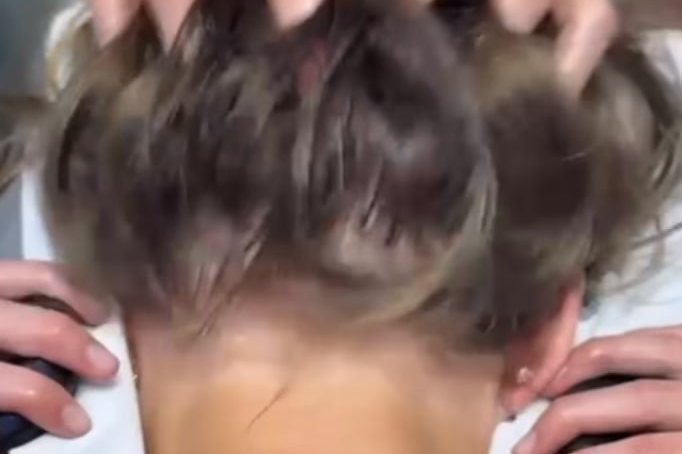
People describe a tension headache almost identically: a band around the head, pressure behind the eyes, and a feeling that someone is slowly tightening something at the base of the skull.
They take a painkiller, it half works, and it comes back the next afternoon. The reason it comes back is that the painkiller treated the head, and the head was never the source.
Three places it actually starts
The suboccipitals. Four small muscles at the very base of the skull, each about the size of a thumb. They control the tiny nodding movements that keep your eyes level. Hold your head forward toward a screen and they work continuously all day. They also refer pain in an arc over the top of the skull toward the eye — which is precisely the band people describe.
The jaw. The masseter is, for its size, one of the strongest muscles in the body, and most people clench without knowing it — in traffic, in meetings, and above all asleep. Wake up with a dull ache at the temples and a tired jaw and you have your answer.
The upper trapezius. Shoulders that live slightly raised all day pull on the neck, and the neck passes it upward.
Notice that none of the three is in the head.
What the session does
Work at the base of the skull is slow and small — those muscles are deep and do not respond to broad strokes. Ten patient minutes there change more than an hour anywhere else.
The jaw is worked from the outside along the masseter and the temporalis at the temples. Many people have never had anyone touch this area deliberately and are startled by how tender it is.
Then scalp and face, which is where the drainage happens, and finally back down the neck and shoulders so the whole chain is released rather than just its top.
What to expect
Quite often the headache lifts on the table — not always, but often enough that it stops being surprising.
The jaw can feel tender the next day, the way a muscle does after unfamiliar exercise. That is normal and passes in a day.
If your headaches are frequent, a course works better than a single session, and it is worth pairing it with the boring fixes: screen at eye level, and a conscious check three times a day of whether your back teeth are touching. They should not be, unless you are eating.
When it is not a tension headache
A headache that arrives suddenly and severely, one that follows a blow to the head, one with fever or a stiff neck, one that changes vision or speech, or a pattern that has clearly changed from your usual — those are for a doctor, not a massage therapist, and not tomorrow.
Read next
Massage before training or after: what the timing actually changes
Both are useful, but they are not the same session. What a short session before an effort does, what a session after does, and why race week is the wrong week to try either for the first time.

Foam rollers, massage guns and wooden tools: what they do and what they do not
Most of them work, within a narrow range, and most people use them for exactly the things they are worst at. An honest guide to what to keep in the cupboard.

Your first massage: the questions people are too embarrassed to ask
What you take off, what happens if you fall asleep, whether you have to talk, and the rest of what nobody explains because everyone assumes you already know.