Journal · 2026-08-12 · Dallas, TX
Abhyanga: what an Ayurvedic massage actually is, minus the mysticism
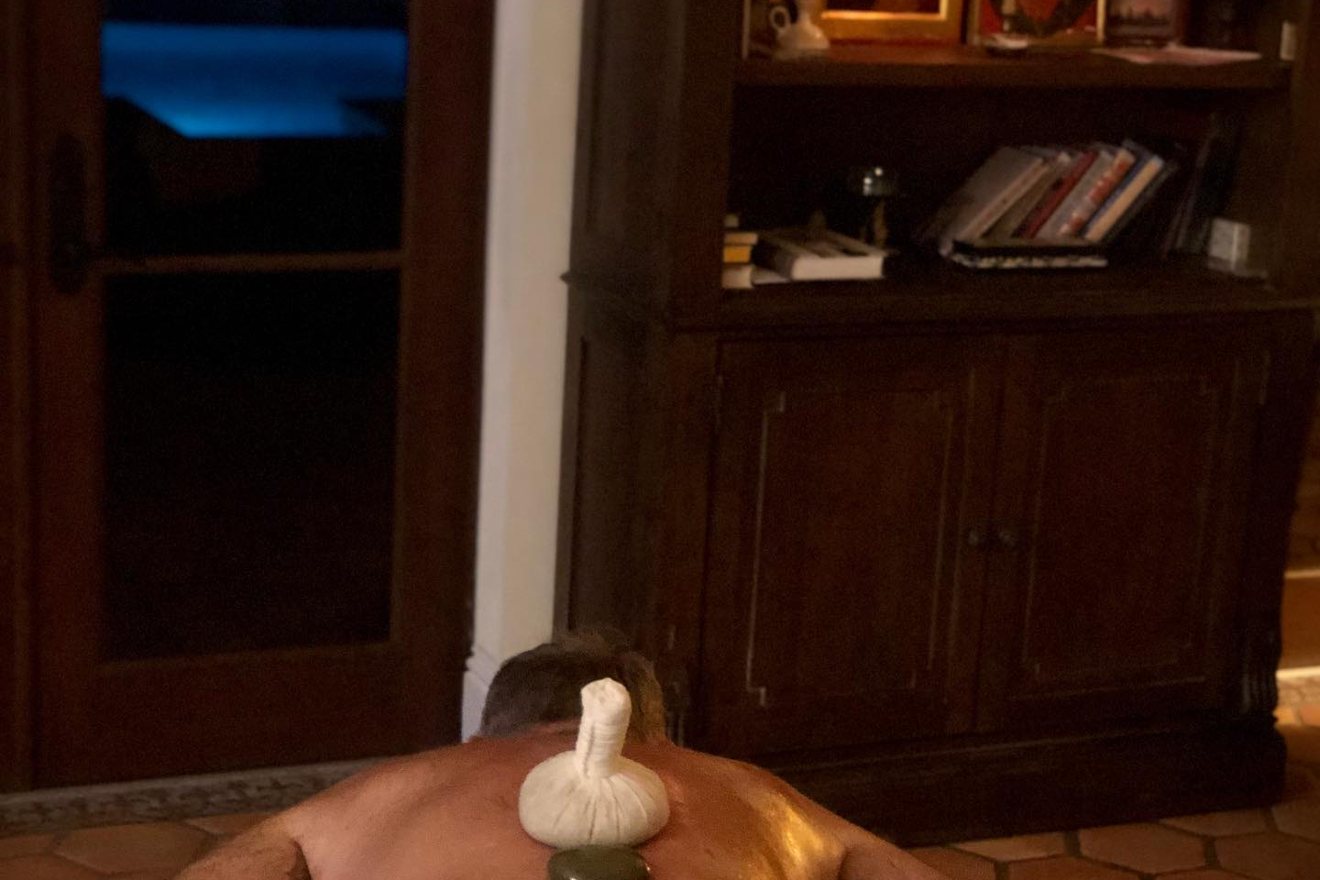
Ayurvedic massage attracts a lot of vague language, which is a shame, because the technique itself is specific and the reason it works is not mysterious.
Abhyanga means, roughly, oil massage. Warm oil, generously applied, worked in with long continuous strokes over the whole body, at a rhythm that does not change from beginning to end.
That last part is the active ingredient.
Why the rhythm is the treatment
A typical massage varies. The therapist finds a tight spot, slows down, works it, moves on. Your attention follows the variation — you track where the hands are and what they are doing next.
Abhyanga removes the variation deliberately. Same speed, same pressure, same long path down the limb, over and over. With nothing to predict, attention stops trying, and the nervous system shifts out of its alert state. This is the same mechanism behind why a long train journey makes you sleepy while a taxi ride does not.
It is why people who cannot switch off during a normal massage often can during this one.
Why so much oil
The oil is warmed and used generously, and it is not only lubrication. Warm oil on a large surface of skin is a strong sensory signal of safety and warmth, which is much of what quiets the system. It also stays on the skin afterwards — the tradition is to leave it there as long as you reasonably can, which is why this is a session to book before a quiet evening rather than before a meeting.
The strokes follow the direction of the limbs, long along the long bones and circular around the joints. Not because a rule says so, but because that pattern keeps the rhythm unbroken.
Who it suits
People who are wound up rather than injured. Poor sleep, restlessness, a mind that will not stop. Dry skin and stiff joints, particularly in winter. Seasonal changes and long travel. Anyone who wants a full-body reset rather than a fix for one specific spot.
It is a poor choice if you have arrived with a single acute problem — a locked neck, a torn calf, a lower back that gave out yesterday. That wants therapeutic work, and we will say so.
What it is not
It is not a medical treatment, it does not detoxify anything in the way the internet claims, and it will not balance anything measurable in a blood test. What it does is switch you from alert to rest for ninety minutes and leave the effect running for a day or two afterwards, which is worth being honest about rather than overselling.
Afterwards
Eat lightly, stay warm, do not plan anything demanding. Leave the oil on for a few hours if you can. Most people sleep unusually deeply that night, and that is generally the outcome they came for even if they described it differently on the phone.
Read next

Cold hands and feet in winter: why some people never warm up
Some people spend November to March with cold fingers and toes. Why the body does this, what warmth from a session does, and when cold hands deserve a doctor's look.

A couples massage at home: what it takes, and how the evening actually goes
Two tables, two therapists, one room. How much space you need, how each person gets their own session, and why home works better than a spa for this one.

Feet and balance later in life: why the ground feels less certain
Stiff ankles, numb toes and a little less confidence on uneven ground. How feet change with age, why it matters for balance, and what gentle regular massage does for them.